
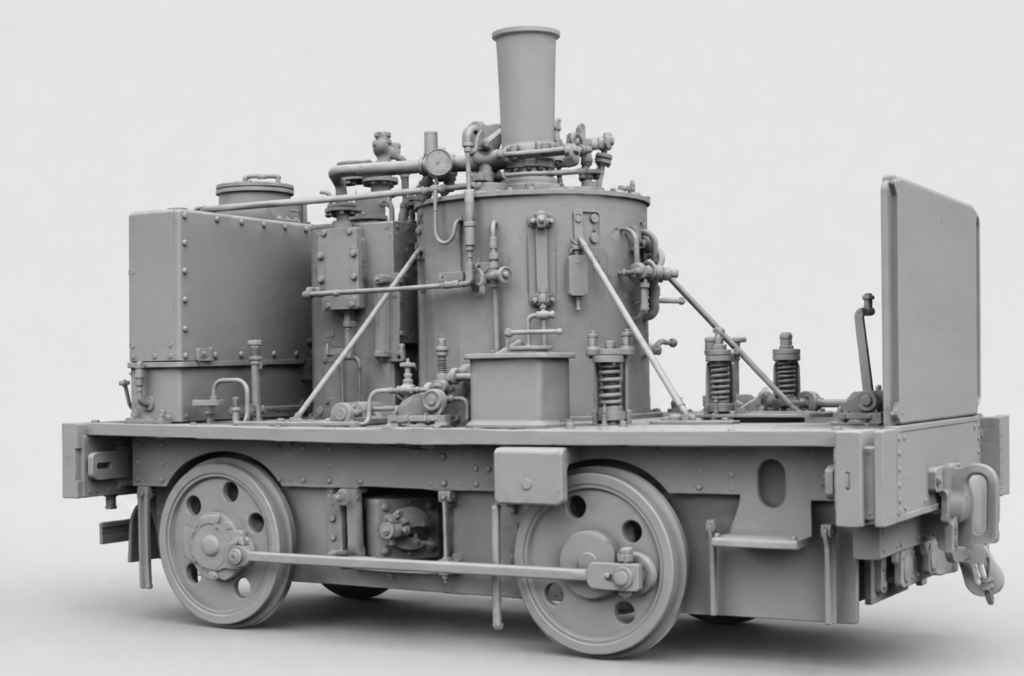
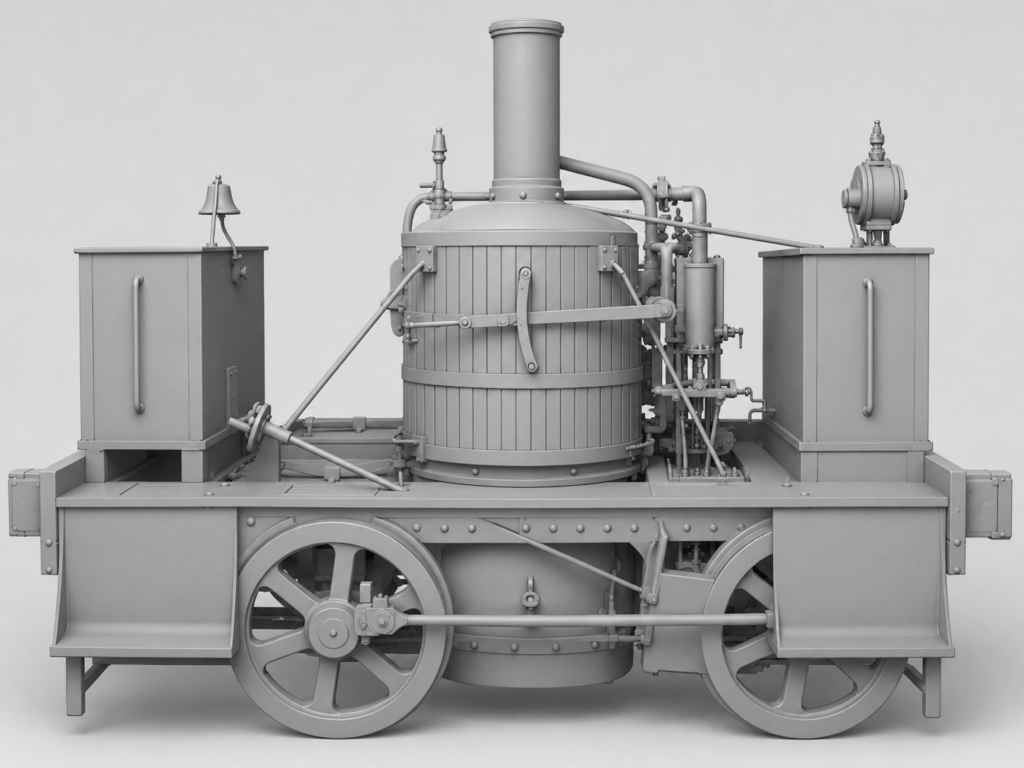
What started off as a fairly straightforward De Winton project has, perhaps predictably, started to spiral into something much bigger.
The original idea was simply to produce a De Winton locomotive that looked right, ran well and captured the wonderfully odd proportions of these little Welsh quarry engines. That in itself has already involved quite a bit of investigation into dimensions, photographs, chassis options and the various differences between surviving locomotives.
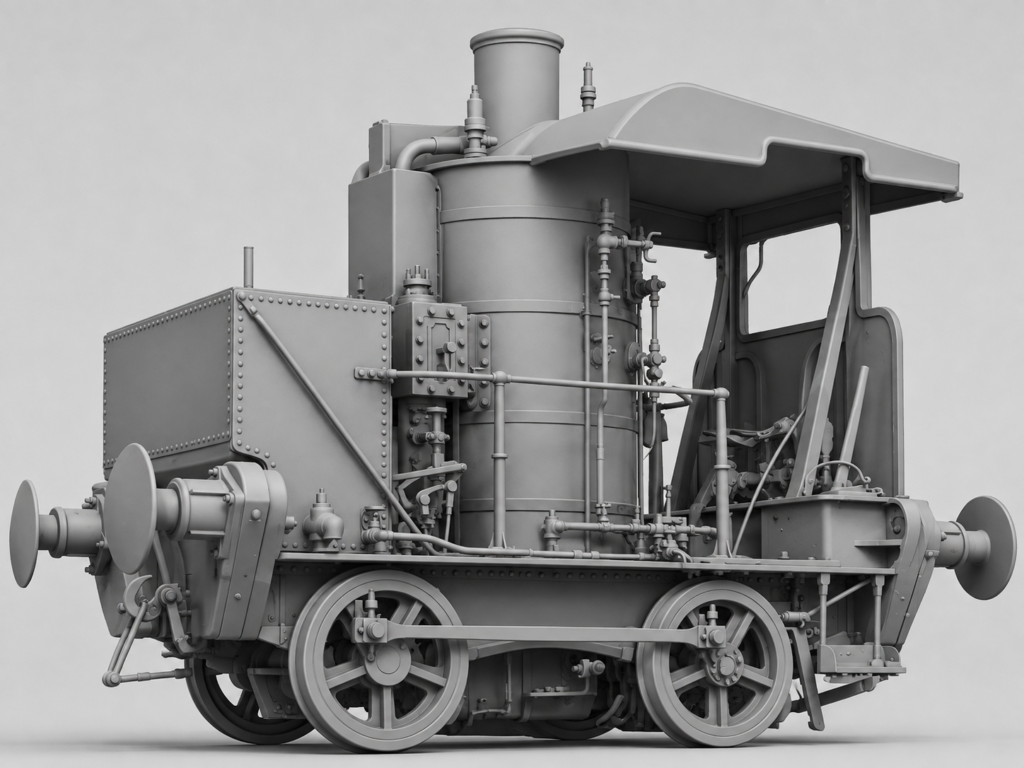
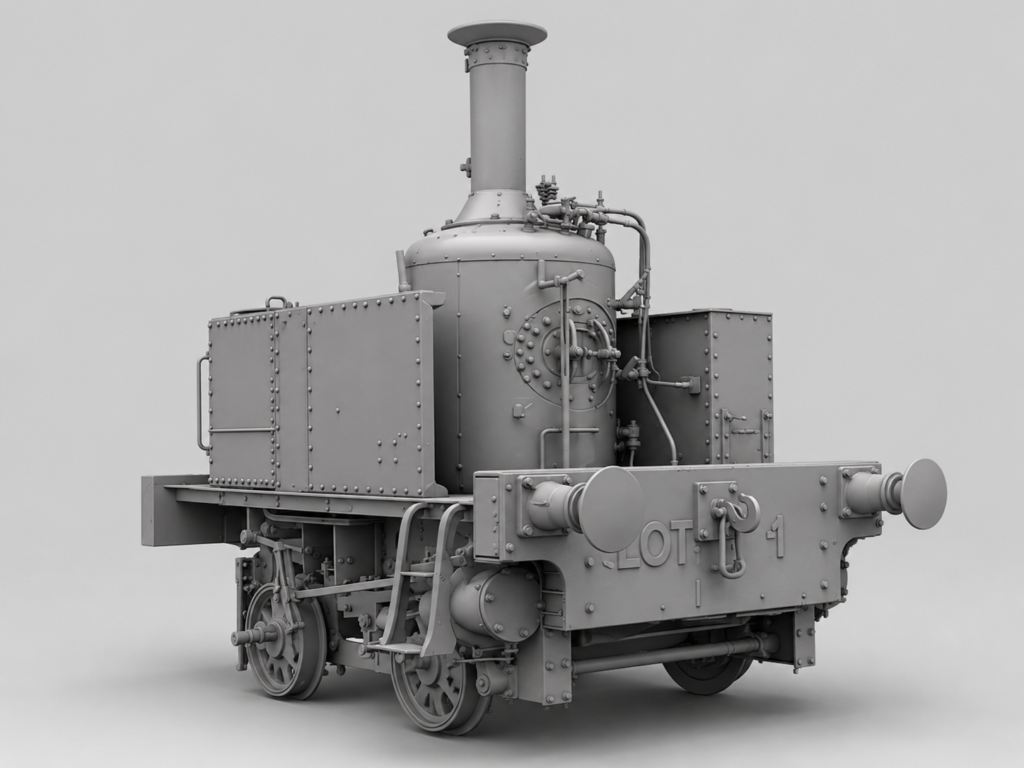
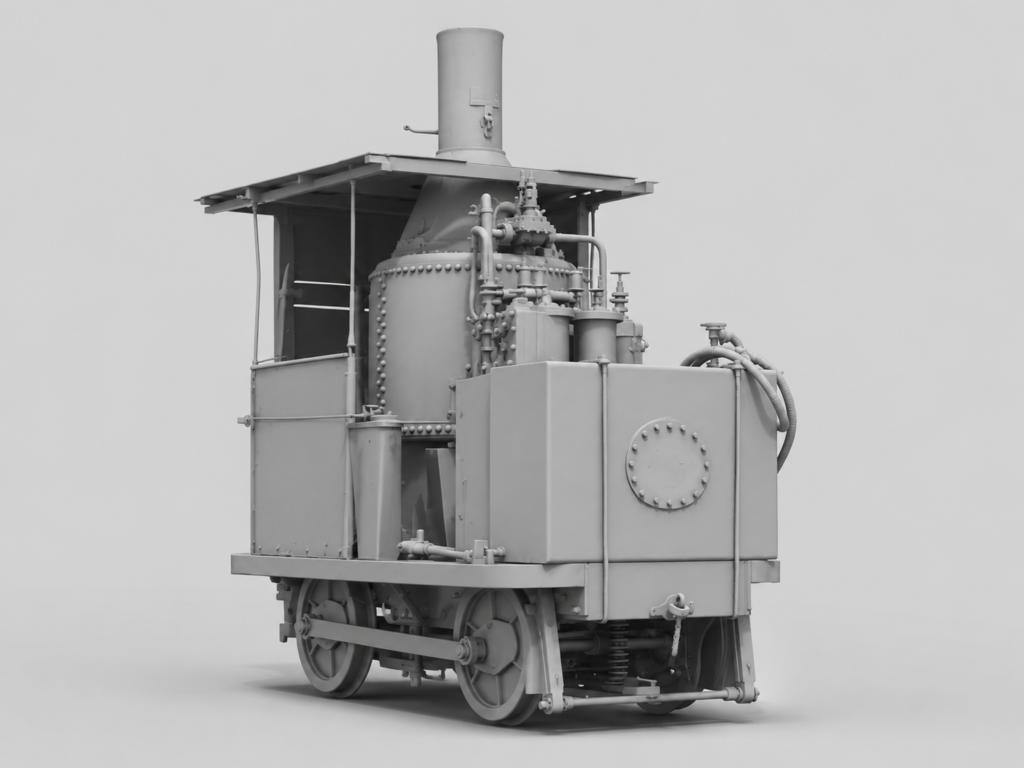
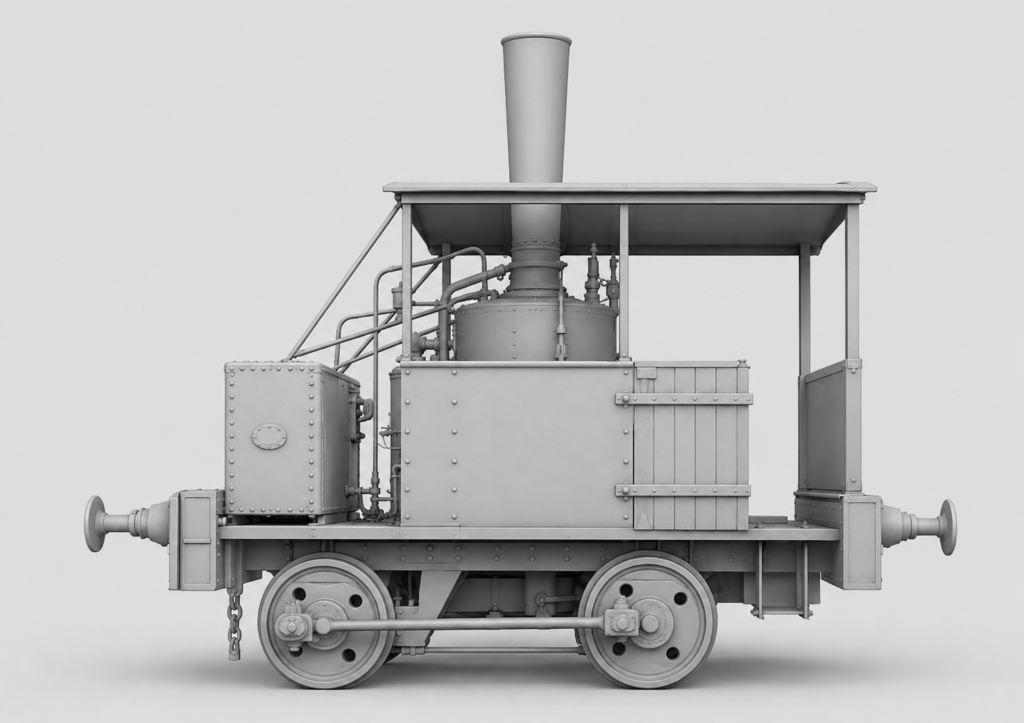
But the more I have looked into De Wintons, the more I have found myself disappearing into the much wider world of vertical boiler locomotives.
And it turns out to be quite a world.
De Winton were certainly one of the best-known builders of this type of locomotive, particularly to those of us interested in Welsh narrow gauge railways, but they were far from alone. Vertical boiler locomotives appeared in quarries, factories, docks, collieries and industrial sites all over Britain and much further afield.
There were locomotives built by Head Wrightson, Alexander Chaplin, Markham, Sentinel and a surprising number of smaller manufacturers. There were also locally built machines, rebuilds and one-off oddities which seem to have been created simply because somebody had a boiler, some wheels and a workshop available.
Some are beautifully proportioned.
Others look as though somebody built a steam locomotive without ever actually seeing one.
Naturally, these are often the most interesting ones.
This has started to change the way I am thinking about the De Winton project.
If we are going to spend the time investigating and developing a suitable powered chassis, it seems rather wasteful to design something that can only ever sit underneath one locomotive.
A better approach would be to look at the common dimensions and arrangements used by a range of vertical boiler locomotives and see whether we can develop a small family of chassis that could support several different models.
That doesn’t necessarily mean making one universal chassis and forcing every locomotive to fit it. That would probably result in compromises everywhere.
Instead, the idea is to understand what these engines actually have in common.
Wheelbase, wheel diameter, overall width, motor position, gear arrangement and the amount of space available inside the model all become important. If several locomotives happen to share broadly similar dimensions, then there is a good chance that the same basic chassis could be used with only relatively minor changes.
That opens up a lot more possibilities.
The De Winton could effectively become the starting point for a much larger collection of vertical boiler locomotives rather than a single isolated model.
At the moment I have been gathering as many photographs, drawings and surviving examples as I can find. Some locomotives are extremely well documented, while others appear to survive in only one or two rather grainy photographs taken a hundred years ago.
That is part of the fun of it.
Leave a Reply