
SOLD OUT – RETURNS IN OCTOBER!
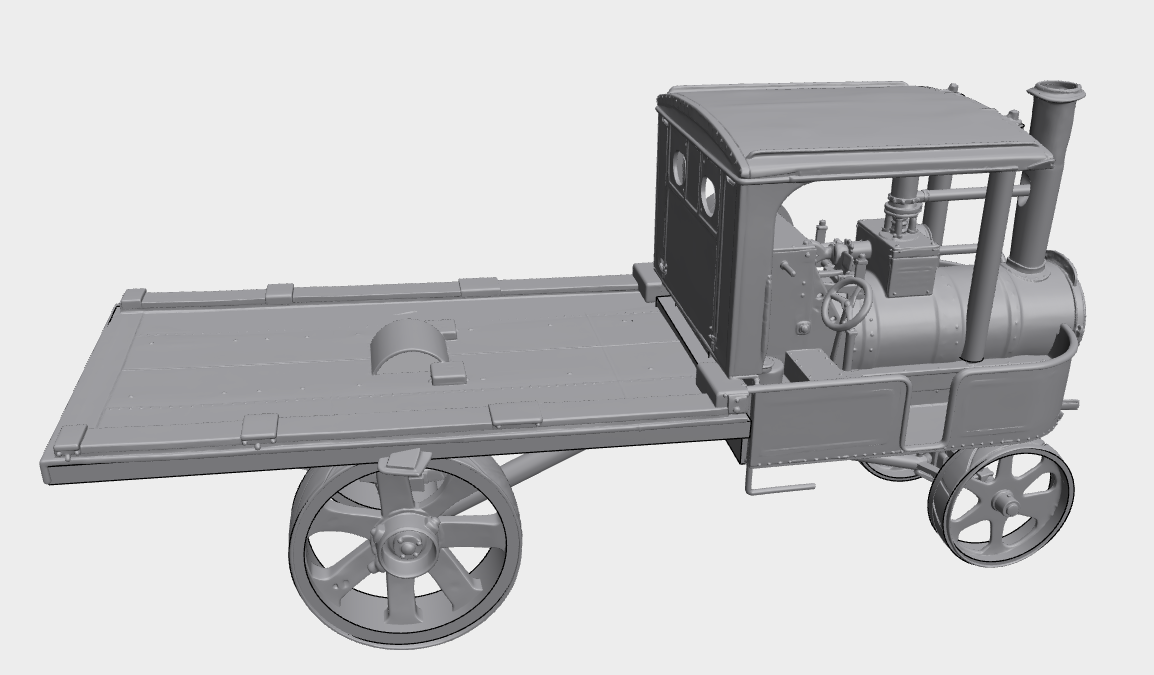
A highly detailed OO/OO9 scale model inspired by one of the most unusual surviving steam road vehicles in Patagonia – the Mann steam lorry preserved near Punta Arenas in southern Chile.
This is also quite a personal model for Shoreleave Models.
In the early 2000s, while working aboard Antarctic research vessels, I visited Punta Arenas during one of our port calls. While there I visited the museum and came across the preserved Mann steam lorry.
It immediately stuck with me.
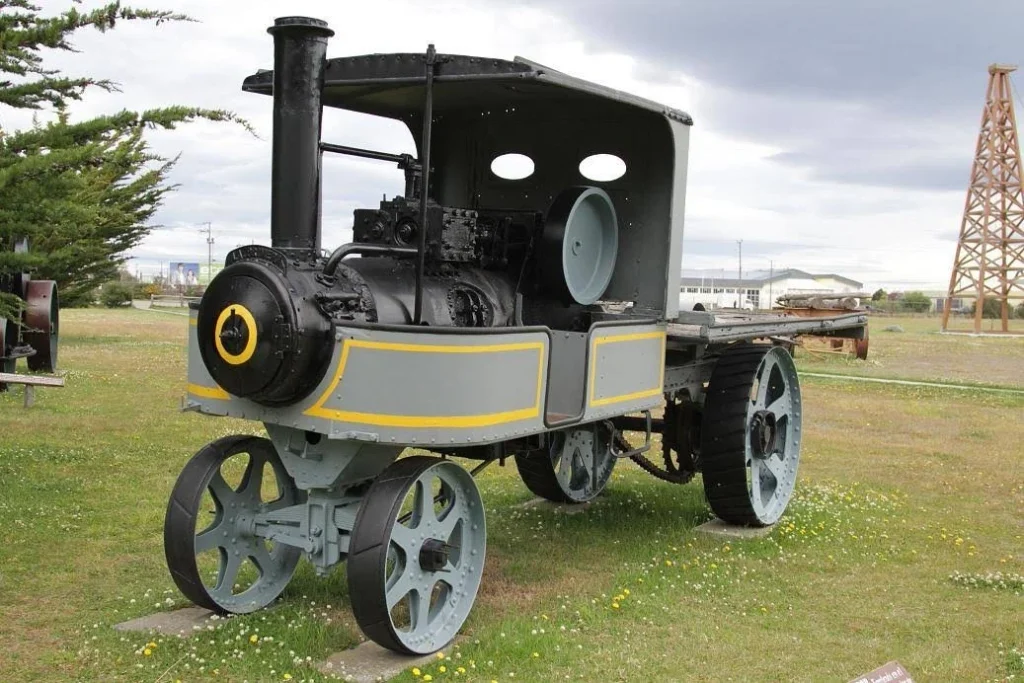
It was such an unusual machine – part traction engine, part lorry and full of exposed mechanical detail – and I remember thinking that one day it would make a fantastic model.
More than twenty years later, I finally decided to make it.
THE PATAGONIAN MANN STEAM LORRY
The Shoreleave Models version is based primarily on the remarkable surviving Mann steam wagon preserved at the Museo del Recuerdo, part of the Instituto de la Patagonia in Punta Arenas.
In the early twentieth century, Patagonia presented enormous transport challenges.
The sheep estancias of southern Chile and Tierra del Fuego covered vast areas, while roads were limited and the distances between farms, processing facilities and coastal shipping points could be considerable.
Before diesel lorries became commonplace, steam offered one solution.
The Sociedad Explotadora de Tierra del Fuego – usually known as the SETF – operated steam-powered road vehicles to move freight across its Patagonian estates. Wool was one of the most important products of the region, with huge numbers of bales needing to be transported from remote estancias towards the coast.
Among the vehicles used for this work were Mann steam wagons.
Built in Britain by Mann’s Patent Steam Cart and Wagon Company of Leeds, these fascinating vehicles combined elements of the traditional traction engine with the layout and practicality of a road-going goods vehicle.
The boiler and steam machinery were mounted at the front, with a substantial load platform behind. Power was transmitted mechanically to the rear wheels, with Mann becoming particularly associated with its distinctive chain-drive arrangements.
They were rugged working machines designed to move heavy loads in environments where conventional transport infrastructure could be limited.
Leave a Reply